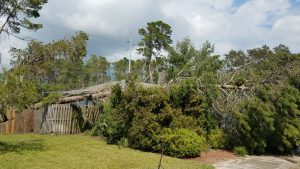

Florida storms can be brutal on your garden. One day, the canopy looks full and steady. The next morning, branches litter the driveway, shingles look dented, or worse, a tree lies flat on the ground. It doesn’t take long for the wind to expose damage.
In this post, Affordable Tree & Landscape, your reliable tree services in Ponte Vedra Beach, FL, explain how to identify storm damage on trees.
Broken Branches and Bark Damage
This often reveals the first sign that something’s wrong. Those hurricane-strength winds blast in and cause chaos. Dead, weak, or poorly attached branches bear the brunt of the onslaught.
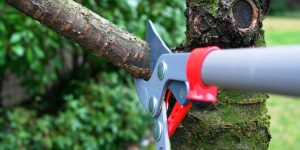
Making trees more storm-resistant means careful pruning at least once a year. You’ll want to remove diseased limbs that might come down in windy weather. Professionals will also deal with narrow branch angles or co-dominant trunks that could create weak joints that will split easily.
After a heavy storm, scan the canopy. Look for cracked limbs, partially torn branches, or debris hung high overhead. Those partial tears might drop at any time, with little warning, so you need to deal with them as quickly as possible.
The wound also leaves the tree vulnerable to pests and disease. This risk increases with tears because the tree battles to cover over the gash.
A Split Trunk
Learning how to identify storm damage on trees isn’t always easy because serious damage can hide in plain sight. A trunk can twist during high winds and split vertically. Heavy rain can force a crack that runs deep into the core.
When the main trunk fibers tear, the tree loses structural integrity. It may stand for a while, but it becomes unstable. If it leans severely toward a home or driveway after the storm, you’ll usually need to remove it for safety. At the very least, you’ll need to call an arborist.
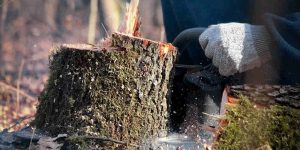
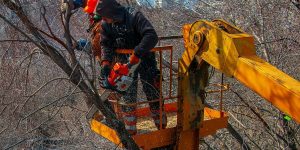
Large trunk failures require controlled dismantling, often with crane assistance, to avoid further property damage.
Uprooted Trees or Canopy Damage
Soaked soil can’t anchor roots the way firm ground can. Add wind pressure, and the entire tree may tip. You’ll see raised soil on one side, exposed roots, or fresh cracks in the ground around the base.
Partially uprooted trees can act unpredictably. The root ball may still cling to the earth, shifting with each gust. That movement can cause sudden collapse. Keep your distance and call for professional help.
Leaning Trees
Not all damage announces itself right away. A canopy can twist under wind stress, setting up fractures that fail weeks later. You might notice the tree leaning slightly more than before, or branches growing at odd angles.
Bark splits and an uneven canopy shape are warning signs. Some trees can recover with corrective pruning or cabling, but that call requires a trained eye.
Get Expert Advice by Calling Today
Not sure how to identify storm damage on trees or what to do next? Call Affordable Tree & Landscape at 904-687-9856 for expert advice and more information about the Importance of tree care before storm season.