Why Are Curved Trees Dangerous?
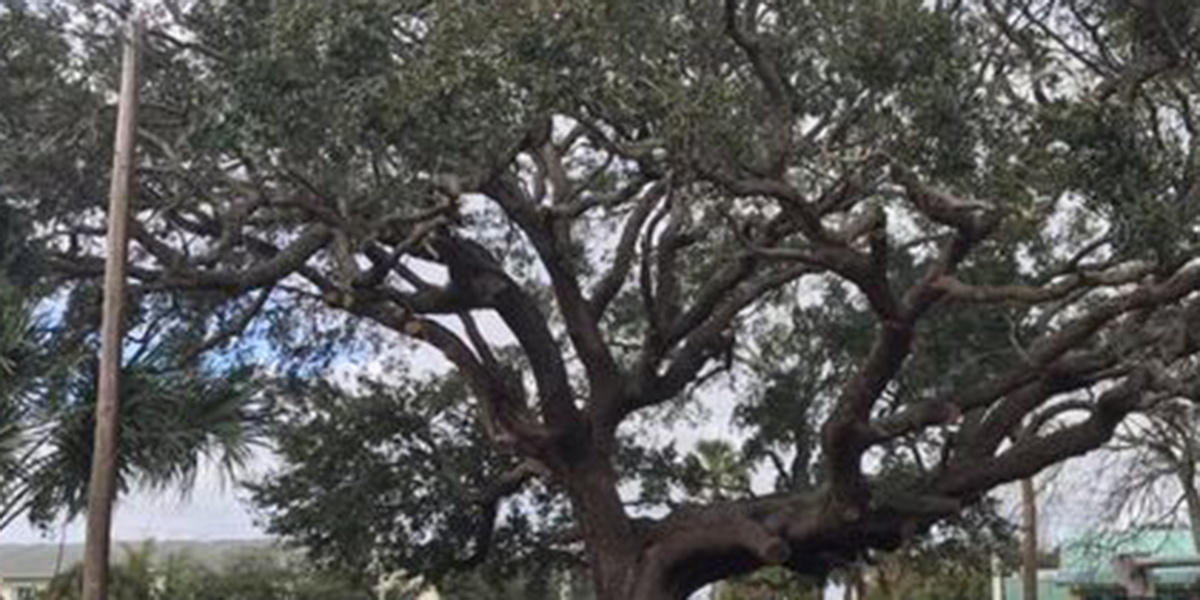
Have you noticed a tree in your yard starting to look lopsided? An increasing angle on a leaning tree risks the tree toppling over, but what if it’s more of a curve? Why are curved trees dangerous if they’re still standing tall and don’t seem to have the imminent fall risk of a leaning tree?
As trusted tree services in St. Augustine Beach, FL, Affordable Tree & Landscape knows how quickly curved trees can become hazardous. Below, we explain why these seemingly harmless changes in your tree can signal serious structural problems that threaten your property and safety.
Common Causes of Curved Trees
Why are curved trees dangerous? Start with the simple truth: most healthy trees grow straight up.
Typical reasons a tree may grow crooked include:
- Environmental pressures: Wind exposure forces trees to curve, particularly in open areas.
- Weather damage: Storms, tornadoes, and ice permanently alter young trees’ growth patterns during their formative years.
- Light competition: Trees tend to bend toward available sunlight.
There may also be poor soil conditions, including compaction and root damage.
What Makes Curved Trees Dangerous?
Curved trees might look interesting. However, any growth issues can cause structural instability, which is a serious problem in a tree. Here’s why:
Falling Hazards
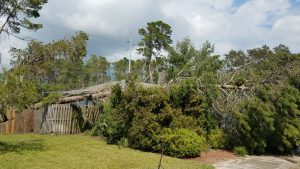
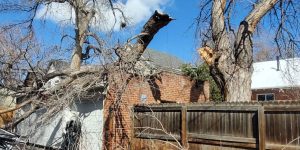
When trees curve, the angles often compromise the roots, which may lose their grip due to the uneven weight distribution. Without strong roots, the tree is extremely vulnerable to strong winds and may topple suddenly during storms.
Tree Failure
Why are curved trees dangerous from a health perspective? Besides falling, unstable root systems struggle to access essential water and nutrients, placing stress on the undernourished tree. Gradually, the tree will weaken, break apart, and die.
Disease and Pest Vulnerability
Weakened curved trees become magnets for infestations and diseases, which spread to healthy trees. A compromised curved tree already has an imbalanced trunk that can cause property risk if it collapses, but infestations could also compromise nearby plants and kill more trees over time.
Signs a Curved Tree Is Dangerous
Curved trees aren’t automatically hazardous, but certain warning signs demand immediate attention. For example:
- Are there sharp angle shifts or bending that signal structural instability?
- Are root decay or trunk wounds compromising strength?
- Are diseases or pests weakening the entire tree structure?
- Would a tree fall threaten buildings, power lines, and walkways?
Check for cracking ground and exposed roots, too.
Can You Save a Curved Tree?
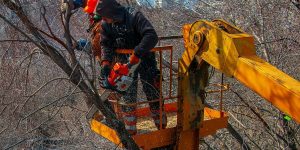
Arborists can often save a curved tree after assessing the tree’s age, health, and lean severity.
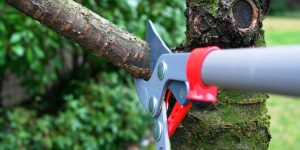
Young trees’ curves respond well to staking and guy wires. Pruning might also remove weight from the heavier side, rebalancing the curved tree’s canopy. For mature trees, professional arborists use sophisticated bracing, cabling, or other supporting structures.
St. Augustine Beach’s Trusted Tree Experts
Why are curved trees dangerous? They don’t have to be if you are careful not to ignore the tree removal signs in your yard or seek a professional arborist’s help.
Does your leaning tree pose an immediate threat, or can an expert save it? Find out from Affordable Tree & Landscape. Call today at (904) 687-9856 for a professional inspection.