As gardeners, we sometimes need to make tough decisions. It’s never easy saying goodbye to a beloved plant, but sometimes you don’t have a choice. The bigger the plant, the more hazardous it might become.
That is why Affordable Tree & Landscape, your reliable tree service in St. Augustine Beach, FL, is going through the top six signs a tree needs to be removed.
1. A Bad Lean
If your tree starts leaning over all of a sudden, it’s time to think about removing it quickly. This might be a sign of root damage and that the tree is losing its grip. It won’t be long before it topples. These signs mean you need help urgently:
- Water-logged soil
- Exposed roots
- Multi-stemmed trees that start leaning suddenly
- Cracking soil on one side of the tree
2, Root Rot
The idyllic picture of toadstools growing around a tree trunk is bad news in real life. If you see signs of fungus or decay at the tree’s base, you need help. The same holds if you’ve inadvertently damaged the root system.
3. Storm Damage
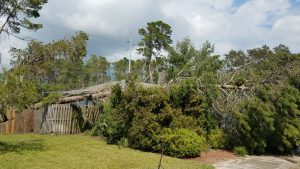
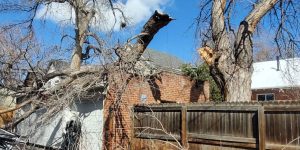
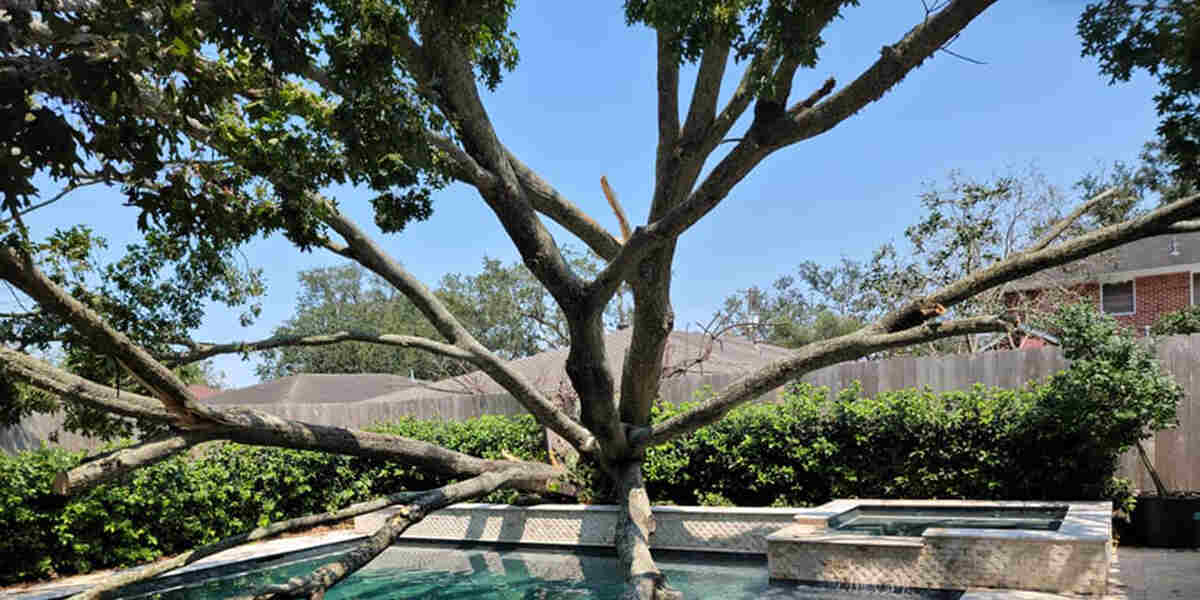
If there’s been heavy winds or rain, you should inspect your trees for damage and dead wood. Are there any tree limbs holding on by a thread? Are some branches cracked? Worse still, is there a vertical crack in the trunk?
You need to deal with these issues urgently to prevent further damage. You want to save the tree but also make sure it’s stable.
4. Fungus
Decay is one of the main signs a tree needs to be removed. When we think of fungi, we automatically think of mushrooms. Sometimes, you’ll see these growths. At other times, all you notice are soft spots or cavities in the trunk or abnormal growth. Deal with these straight away to give your tree a chance.
5. An Odd Shape
Does your tree look asymmetrical or unbalanced? It can take on this type of shape because of storm damage or bad pruning techniques.
One particularly damaging method is called tree topping. People usually use this technique when the tree’s too tall, but it’s one of the worst things you can do. If the tree survives, it will be a lot weaker than before.
If your tree is losing branches, it could be a sign of disease or root damage — or even a warning sign in unusually curved trees that may be structurally compromised.
6. Closeness to Structures and Trees
You should plant large trees at least 15 feet away from your home. If they get any closer, there’s a good chance they’ll damage the foundation and plumbing. You’ve also got a better-than-average chance of a branch falling onto your home.
Sometimes, it’s safer to take the tree out before it wreaks havoc. It may also be necessary if you’ve planted trees too close together. You may need to remove some for the benefit of the others.
Contact Us for Expert Advice
Now that you know the signs a tree needs to be removed, it’s time to learn how to tell if a tree is dying. Call Affordable Tree & Landscape at 904-687-9856 to schedule your consultation.