
Can a tree stump regrow after grinding? This is a common concern among property owners. As your trusted provider for tree services in St. Augustine, FL, Affordable Tree & Landscape knows that while stump grinding drastically reduces regrowth chances, some resilient tree species can still produce sprouts under the right conditions. Let’s explore what affects tree regeneration after grinding.
How Stump Grinding Affects Tree Regrowth
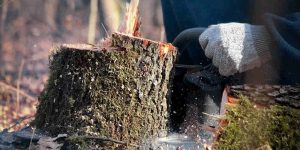
Stump grinding removes the visible portion of the stump by grinding it several inches below the soil surface. This leaves the root system intact underground. While grinding significantly reduces the chances of stump regrowth, it does not eliminate it completely. The remaining roots store energy and nutrients that can fuel new growth.
Unlike complete stump removal, stump grinding focuses on the above-ground portion of the stump. However, some tree species have aggressive root systems that continue surviving after grinding.
The Role of Dormant Buds
Trees possess dormant buds along their root systems that remain inactive until conditions trigger them. When you grind down a stump, these buds can activate and produce shoots. This results in sucker growth that allows trees to regenerate after damage.
These new shoots emerge from the remaining root system rather than the ground stump itself and draw on stored nutrients in the roots. If left unchecked, this sucker growth can develop into full-sized trees over many years.
Which Trees Are Most Likely to Regrow
Not all tree species respond to grinding the same way. Can a tree stump regrow? Oak trees, elms, maples, willows, and poplars are particularly persistent and can indeed regrow. These species develop extensive horizontal root systems that regenerate easily. Crepe myrtles and Chinese Pistache trees also show strong regenerative abilities. In contrast, pine and spruce trees rarely sprout after grinding because their root systems typically die back.
Conditions That Encourage Regrowth
Soil quality plays a significant role in whether roots produce new shoots. Nutrient-rich soil provides the resources dormant buds need to activate and sustain growth. Loose soil allows roots to extend deeper and access more nutrients.
Moisture levels also affect regrowth potential. Adequate water helps roots remain viable and supports new shoot development. Trees that are ground during their dormant season have lower regrowth rates than those that are ground during active growing periods.
Steps To Prevent Unwanted Regrowth
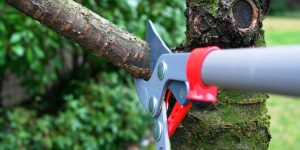
If you notice shoots appearing after stump grinding, cut them off immediately where they meet the root system. Consistent removal weakens the roots and depletes their stored energy. Do not add these sprouts to your compost pile.
For persistent regrowth, expose the roots and use a commercial grinder to chip away at them. Professional tree service companies can assess your situation and recommend the best solution to prevent regrowth on your property.
Get Professional Stump Grinding Today
Can a tree stump regrow? It can if grinding isn’t done right. Professional removal ensures stumps won’t return. But is tree stump grinding worth it? Absolutely. It protects your property and prevents regrowth.
Need expert stump grinding in St. Augustine Beach? Call Affordable Tree & Landscape at 904-687-9856 today for reliable service.